

If your skin feels tight or dusty by noon, and you're already using a moisturizer every morning, the problem probably isn't your product. It's how you're applying it. I've watched this play out over and over, including with my own routine. I'd slap on a nice hyaluronic acid moisturizer, step outside, and by 11am I looked like I hadn't touched my face at all. Turned out I was doing three things wrong, and every one of them is fixable in about 60 seconds.
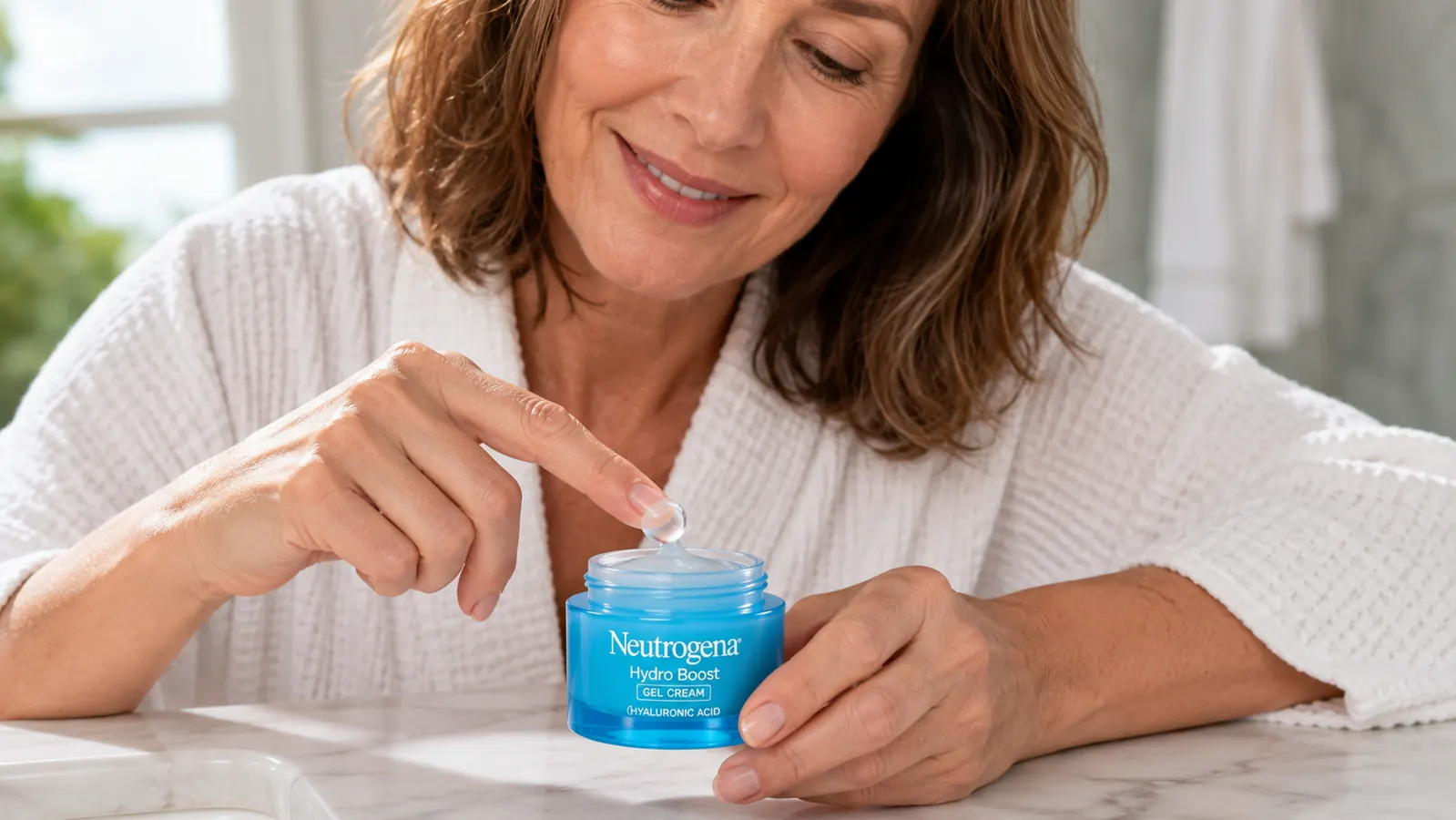
This guide is built around a gel cream moisturizer, specifically Neutrogena Hydro Boost Gel Cream, which has become my daily go-to for the past four months. At 4.6 stars across more than 4,000 Amazon reviews, it's one of the most consistently praised drugstore hydrators I've tested. But the techniques here apply to any quality hyaluronic acid gel cream moisturizer you might be using. The product matters, but the method matters more.
Still tight and dry by noon? This gel cream holds moisture for 48 hours when applied the right way.
Neutrogena Hydro Boost Gel Cream is fragrance-free, non-comedogenic, and built around hyaluronic acid that can hold up to 1,000 times its weight in water. Over 4,000 reviewers call it their everyday moisture fix.
Amazon Check Today's Price on Amazon →Why a Gel Cream Works Differently Than a Regular Moisturizer
A gel cream moisturizer sits in a category between a lightweight serum and a traditional cream. It's water-based, which means it spreads quickly and absorbs fast without leaving a greasy film. The hydration comes primarily from humectants, usually hyaluronic acid, which work by drawing moisture from the environment and from deeper skin layers up to the surface. This is very different from an occlusive cream, which works by sealing moisture in with waxes or oils.
The tradeoff: because gel creams rely on drawing in water, they work best when there's water available to draw from. Apply one to completely dry skin in a dry room and you may get less benefit than you expected. That's not a flaw in the formula. That's just the nature of how humectants function. Once you understand this, the whole application process starts to make more sense.
This also explains why the same gel cream moisturizer can feel incredibly effective in summer humidity and noticeably weaker in a dry, heated house in January. The active ingredient, hyaluronic acid, is responding to what's available in your environment. Your job is to give it the conditions it needs to do its best work. That starts with cleansing.
Step 1: Cleanse With Lukewarm Water, Not Hot
Hot water strips the skin's natural lipid barrier faster than almost anything else you do to your face. That barrier is what keeps moisture from evaporating throughout the day. When you wash with very hot water, you're starting your routine already behind. Switch to lukewarm water and your skin will hold onto hydration significantly better even before you apply a single product.
Use a gentle, non-stripping cleanser. Foam cleansers that leave a squeaky-clean feeling are almost always too harsh for everyday use, especially if you're over 40. A milky or gel cleanser that leaves your skin feeling clean but not tight is the right baseline. After rinsing, pat, don't rub, with a clean towel and stop while your skin is still slightly damp. Not dripping wet, just not bone-dry. That residual moisture is what you'll be locking in.
This single adjustment, cleansing with cooler water and leaving the skin slightly damp, makes a measurable difference in how long your moisturizer keeps working. I know it sounds like a small thing. Try it for a week and see if you disagree. In my experience, it's one of those changes that shows up immediately, not after months of consistency.
Step 2: Apply Any Serum While Skin Is Still Damp
If you use a serum, this is the moment to apply it. Serums have smaller molecules than moisturizers and are designed to penetrate deeper into the skin. Applying them onto damp skin helps them absorb more evenly rather than sitting on the surface. Wait about 30 seconds after applying your serum before moving to the next step. You want it mostly absorbed but not completely dry.
If you don't use a serum, that's completely fine. Simply proceed to the moisturizer while your skin is still slightly damp from cleansing. You don't need a serum for a gel cream to work well. Serums add active ingredients like vitamin C or retinol to your routine, but they're not a prerequisite for hydration. Keep it simple if simple is what works for your life.
Step 3: Apply Gel Cream on Damp Skin Using a Press-and-Pat Motion
Here's the step most people skip or rush. Instead of rubbing the gel cream into your skin like a hand lotion, use a press-and-pat motion. Scoop a small amount, about a pea-sized to nickel-sized amount for your full face, warm it between your fingertips for two seconds, then press it gently into your cheeks, forehead, chin, and neck. Pat it in rather than dragging across the skin.
The pressing motion drives the product into the skin rather than moving it around the surface. Rubbing stretches and pulls the skin, and with a gel formula, you can actually rub it right off before it has a chance to sink in. The Neutrogena Hydro Boost Gel Cream has a slightly thicker, water-gel consistency that responds particularly well to this technique. Within about 30 seconds it should feel absorbed, not sticky.
If your skin still feels tacky after a minute, you've used too much. A gel cream moisturizer is concentrated enough that a little goes a long way. Using more than your skin can absorb at once doesn't increase hydration. It just sits on the surface and can interfere with whatever you layer on top, especially SPF, which needs to form an even film to protect properly.

Step 4: Layer SPF on Top and Wait 60 Seconds Between Steps
Sunscreen is not optional if all-day hydration is your goal. UV exposure degrades the skin's ability to retain moisture, full stop. Over time, unprotected sun exposure breaks down collagen and the lipid barrier, meaning your skin becomes measurably worse at holding water with every skipped SPF day. Applying a good broad-spectrum SPF 30 or higher over your gel cream moisturizer is the single best thing you can do to preserve your skin's hydration capacity long-term.
The key: wait about 60 seconds after your gel cream before applying SPF. Give the moisturizer a chance to settle. If you apply sunscreen immediately on top of a gel that hasn't fully absorbed, you can disrupt both products and end up with an uneven, pilling mess. A minute of patience here makes both products perform better. Use a chemical sunscreen formula for the cleanest finish under makeup. Mineral formulas work well for sensitive skin but may leave a slight white cast.
The gel cream isn't the problem. The method is. Apply on damp skin, press instead of rub, and give each layer 60 seconds. Your skin will hold moisture all day instead of losing it by noon.
Step 5: Mist Midday if You're in a Dry Environment
Air conditioning, airplane cabins, heated offices in winter. These environments pull moisture from your skin faster than almost any product can compensate for alone. If you spend hours in these conditions, a hydrating facial mist used once midday can reset the surface hydration and give your gel cream moisturizer something to work with again. A simple rosewater mist or plain mineral water spray is all you need.
Spray lightly from about a foot away, then gently press the mist into your skin with clean fingertips rather than letting it air-dry. When water evaporates off the skin's surface, it can actually pull moisture with it, leaving you drier than before you misted. A quick press seals the water in before it can escape. This takes about 15 seconds and can genuinely carry your hydration from noon through the rest of the afternoon.
What Else Helps (and What Gets in the Way)
A few habits that quietly undermine your gel cream moisturizer no matter how well you apply it: drinking too little water throughout the day, using alcohol-based toners directly before your moisturizer, and exfoliating too aggressively too often. Over-exfoliation is especially common among women who are trying to do more for their skin. If you're using an exfoliating acid toner, a retinol, and a scrub all in the same week, you're stripping the outer layer faster than it can repair itself, and no moisturizer can compensate for a compromised barrier.
On the positive side: a humidifier in your bedroom overnight makes a real difference in how your skin starts the morning. If you wake up with tight or dull skin before you've done anything at all, low ambient humidity is often the culprit. Running a small humidifier while you sleep is one of the highest-leverage changes you can make for skin hydration, and the ongoing cost is minimal once you have the device.
Diet plays a role too, though it's a slower one. Omega-3 fatty acids from foods like salmon, walnuts, and flaxseed support the skin's lipid barrier from the inside. Consistent water intake across the full day matters more than drinking a large glass at once. These are not quick fixes, but they compound over weeks in a way that no topical product can fully replicate.
Finally, the quality of your gel cream moisturizer does matter. Neutrogena Hydro Boost Gel Cream earned its following because it uses a higher concentration of hyaluronic acid than most drugstore alternatives, and the water-gel texture genuinely absorbs without leaving residue on normal or combination skin. If you want the full breakdown of how it performs over weeks, my detailed write-up is in the Neutrogena Hydro Boost Gel Cream review. And if you want the unfiltered take on where it falls short, the honest review covers that plainly.
A Sample Morning Routine Using This Method
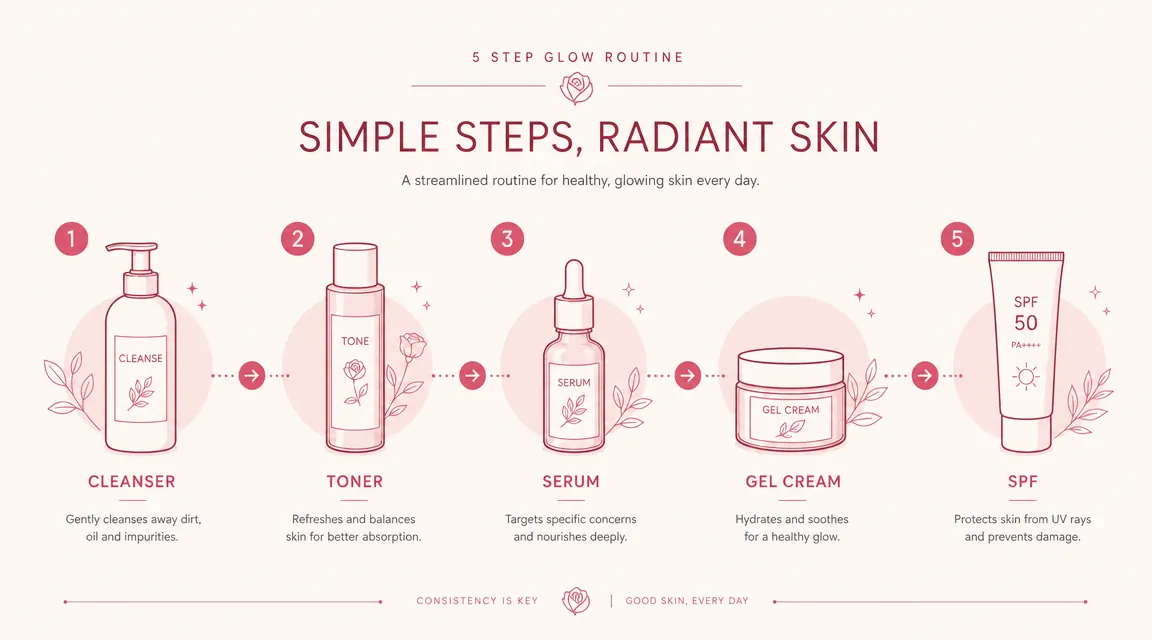
To put it all together in a realistic timeline: splash your face with lukewarm water for about 30 seconds, apply a gentle cleanser for 30 seconds, rinse, and pat mostly dry with a towel. While skin is still slightly damp, apply serum if you use one and let it absorb for about 30 seconds. Press a small amount of Neutrogena Hydro Boost Gel Cream into face and neck, let it settle for 60 seconds. Apply SPF, let it dry for another 60 seconds. Then proceed with makeup or get on with your morning.
The whole process from cleanser to SPF takes under five minutes once you've done it a few times. The 60-second waits feel like nothing once they're habit. What you get in return is skin that still feels hydrated and comfortable at 3pm, even through a long day in a dry office. Not complicated, not expensive. Just done with a bit more intention than you were probably using before.
Ready to stop reapplying and actually stay hydrated all day? Start here.
Neutrogena Hydro Boost Gel Cream is fragrance-free, tested on dry and normal skin, and built to last 48 hours when applied correctly. Apply it the right way and you'll notice the difference by the end of your first week.
Amazon Check Today's Price on Amazon →